Background
Preserving history requires both care and structure, especially when that history continues to unfold.
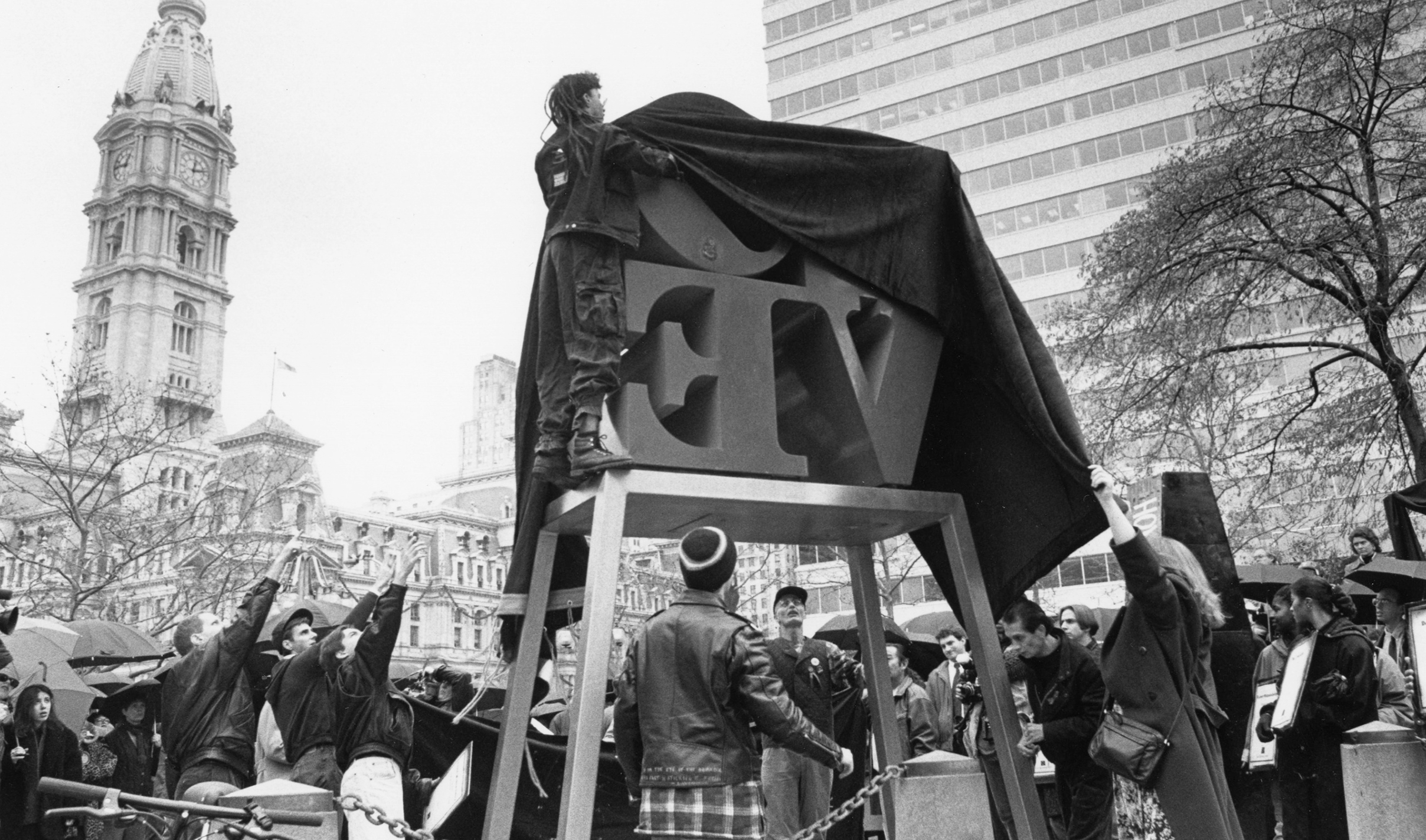
The Philadelphia HIV/AIDS Oral History Portal was conceived as a central access point for two related initiatives documenting the city’s response to the HIV/AIDS crisis. One project focuses on recorded oral history interviews with early responders, advocates, and community members. The other expands that documentation through artistic expression, including a commissioned play, exhibition, public procession, and ceremonial events.
While distinct in format, the projects are deeply interconnected. Together, they form a growing record of memory, loss, resilience, and care—one that needed to be accessible, respectful, and built to evolve.

Challenge
Organize overlapping historical content from two initiatives without fragmenting the story or overwhelming users.

Solution
A calm, template-driven site that allows visitors to move between projects while engaging with shared themes and materials.

Results
A durable digital archive that supports discovery, preservation, and continued expansion.
Challenge
Organize overlapping historical content from two initiatives without fragmenting the story or overwhelming users.
Solution
A calm, template-driven site that allows visitors to move between projects while engaging with shared themes and materials.
Results
A durable digital archive that supports discovery, preservation, and continued expansion.
The Objective
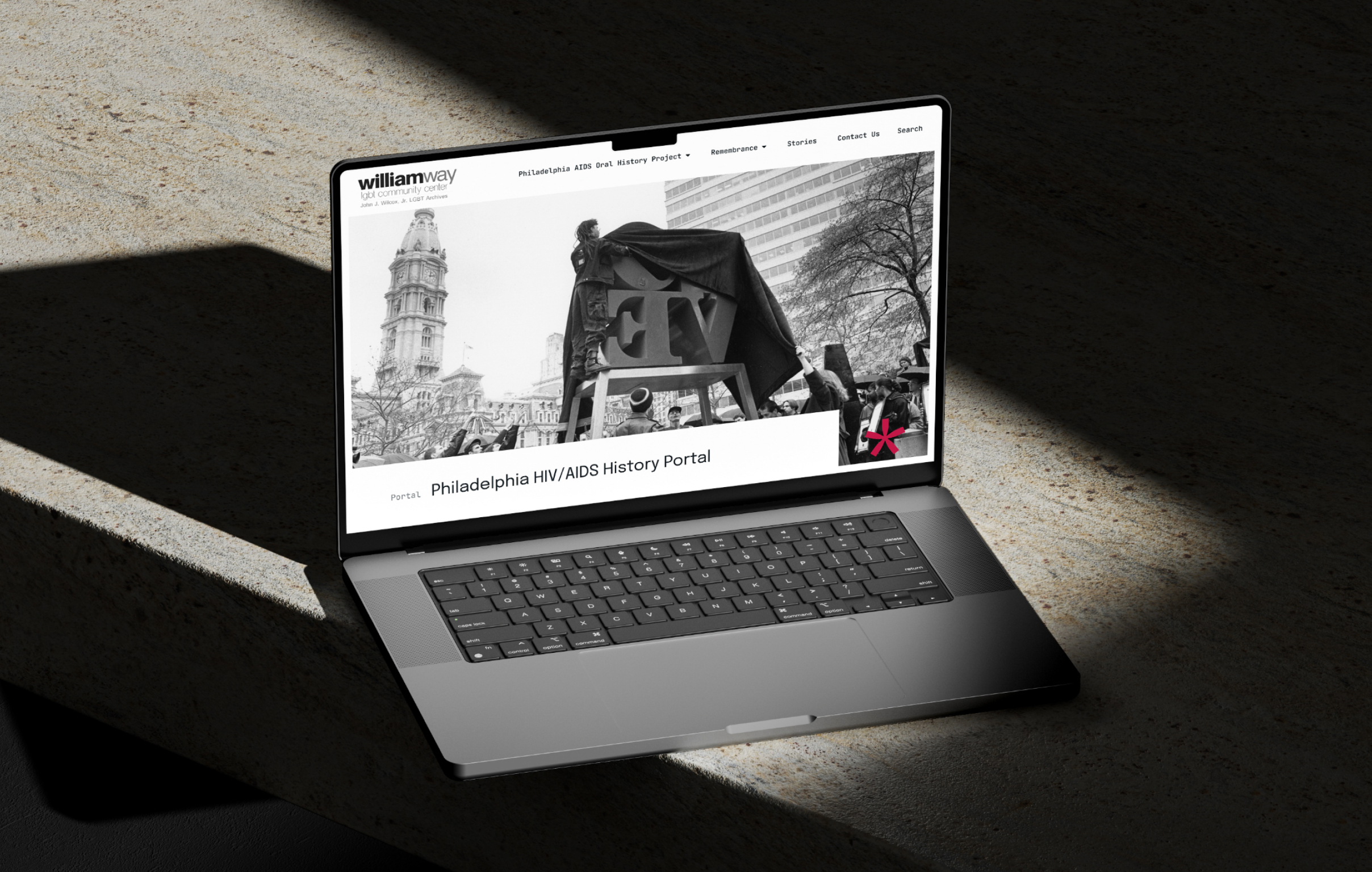
Create a shared portal that balances separation and connection.
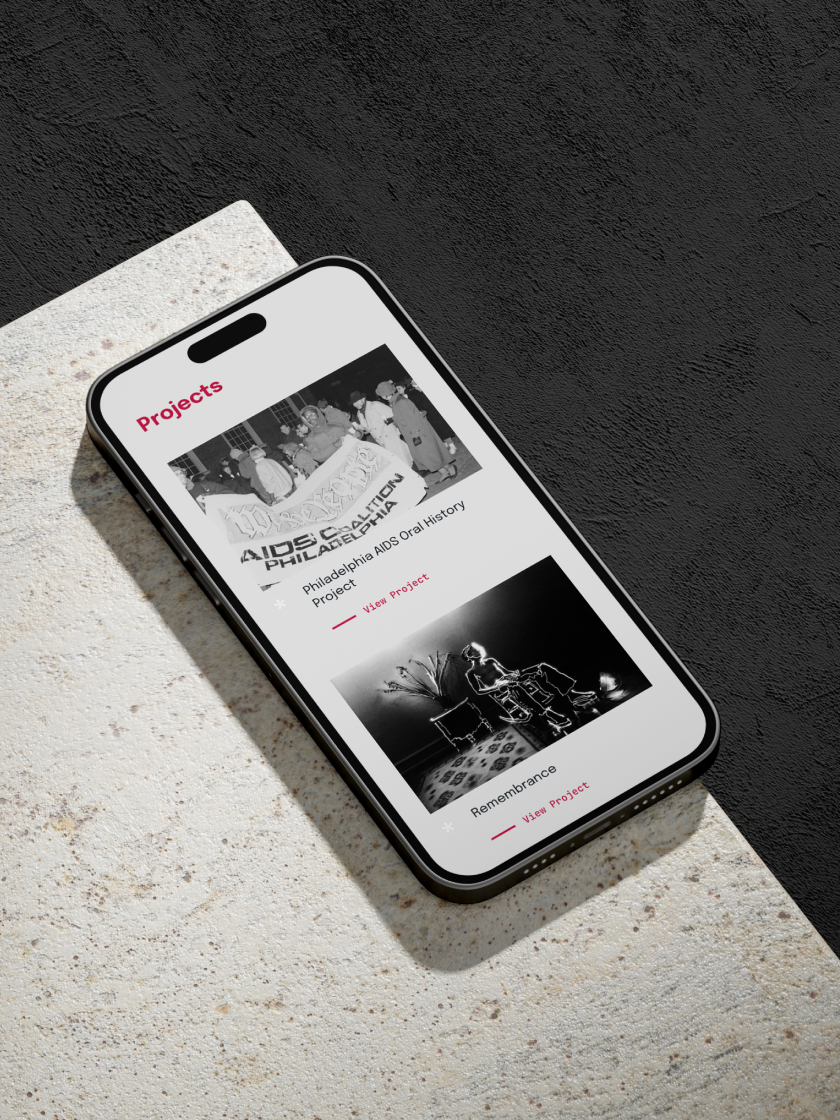
The goal was to design a website that could house two projects under one umbrella while allowing users to easily navigate toward what interests them most. The site needed to accommodate different types of media, including audio, transcripts, images, video excerpts, and written context, using a consistent structure that would simplify ongoing content creation and maintenance.
Design Solution
A flexible, archival framework built for consistency and longevity.
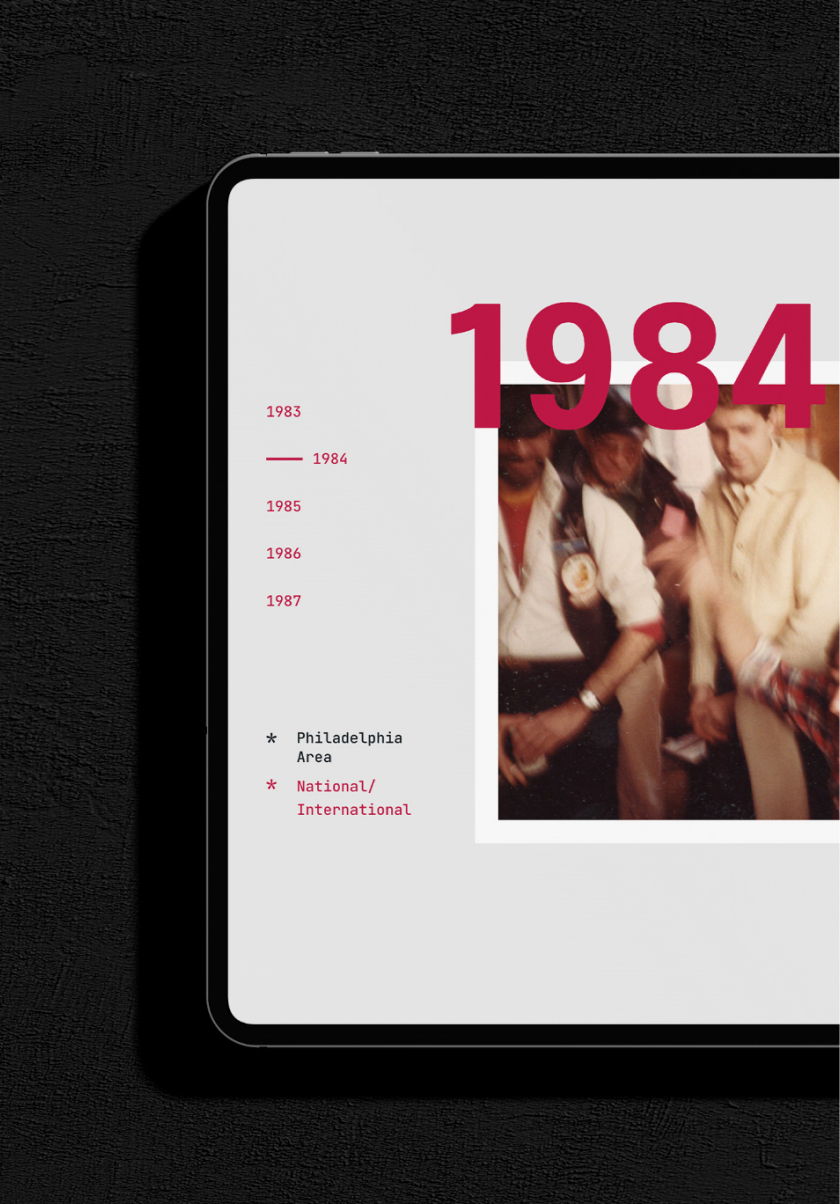
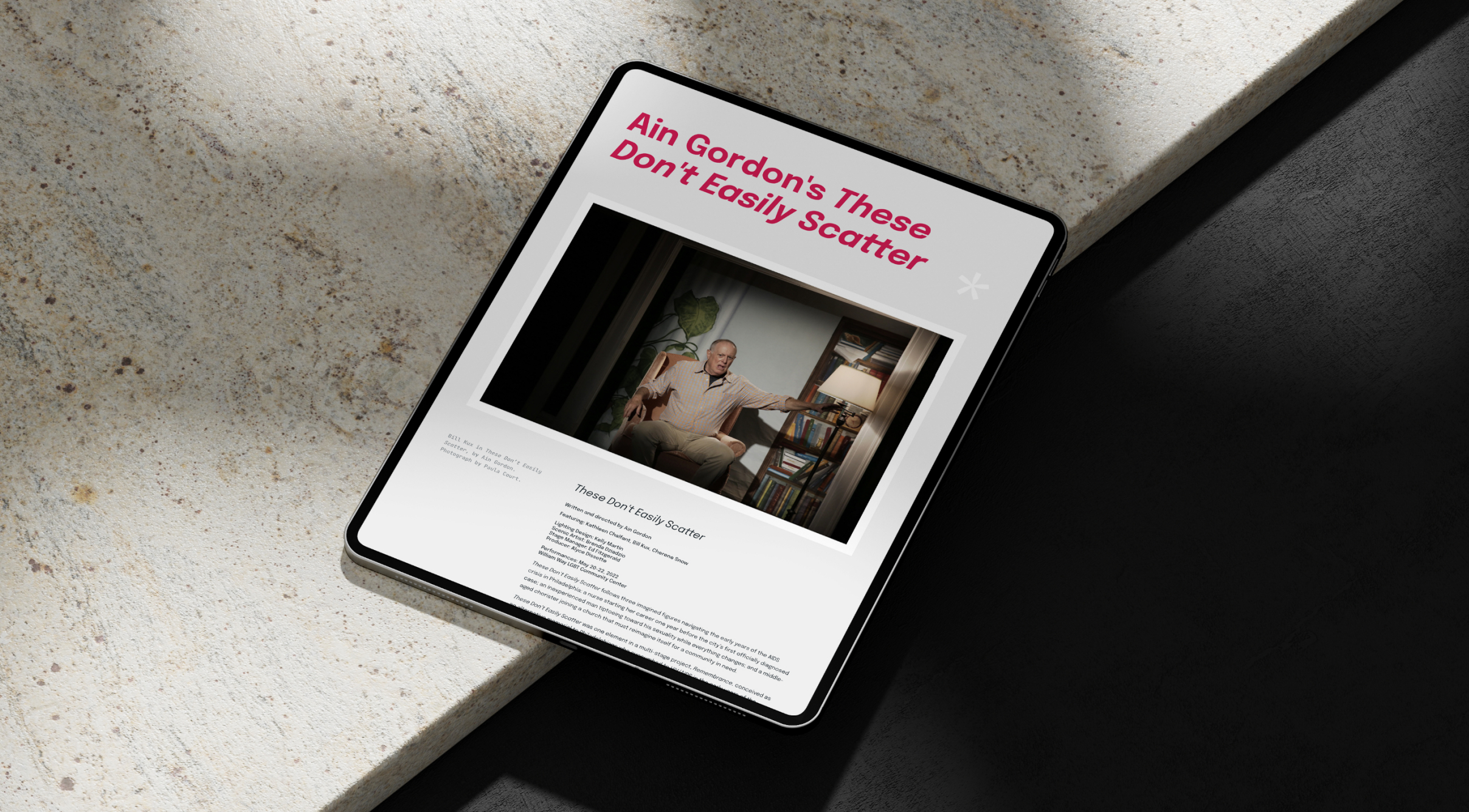
The site was designed as a neutral, respectful container for the content itself. A restrained visual system establishes continuity across both projects, while subtle visual cues distinguish one initiative from the other. A set of standardized templates covering interviews, audio recordings, image galleries, video excerpts, and long-form text ensures that new material can be added easily without introducing inconsistency. Search and cross-referencing allow users to encounter content organically, regardless of which project it originated from.
Color palette & Typography
Red
Black
Gray
Light Gray
JetBrains Mono
Epilogue Bold
Epilogue Regular
Challenges & Accommodations
Supporting growth while preserving order.
The projects continue to generate new material over time. The challenge was to design a system that could absorb ongoing content—new interviews, performances, and documentation—without requiring reinvention. The structure needed to be intuitive for administrators and inviting for visitors, even as the archive expands.
Outcomes
A living archive designed to endure.
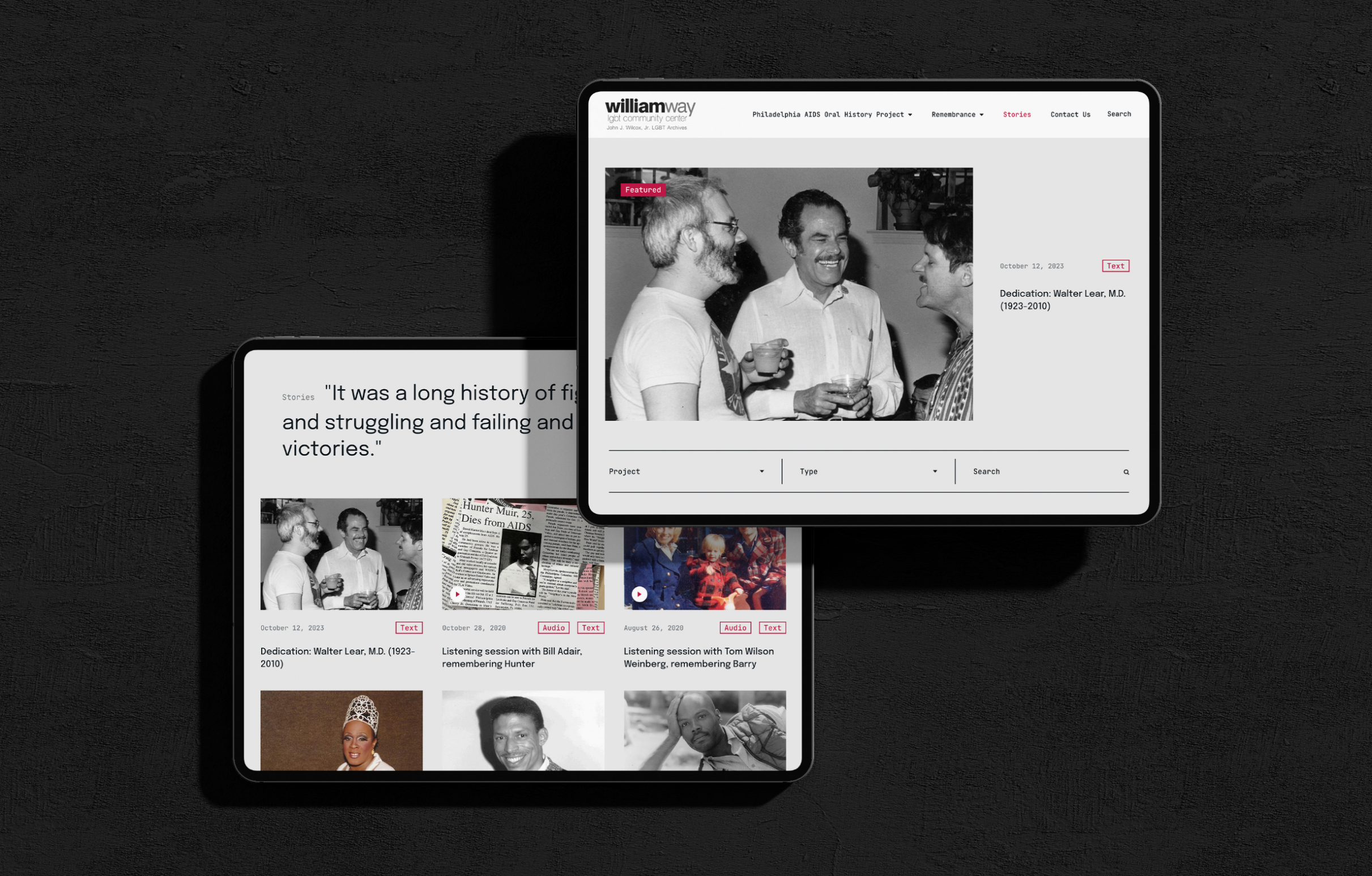
The finished portal provides a stable, accessible home for Philadelphia’s HIV/AIDS history, bringing together oral testimony and cultural expression in one cohesive experience. By relying on clear templates and a disciplined visual approach, the site supports continued contributions while maintaining consistency and care. The result is a digital resource that honors the past, supports the present, and remains open to future voices.